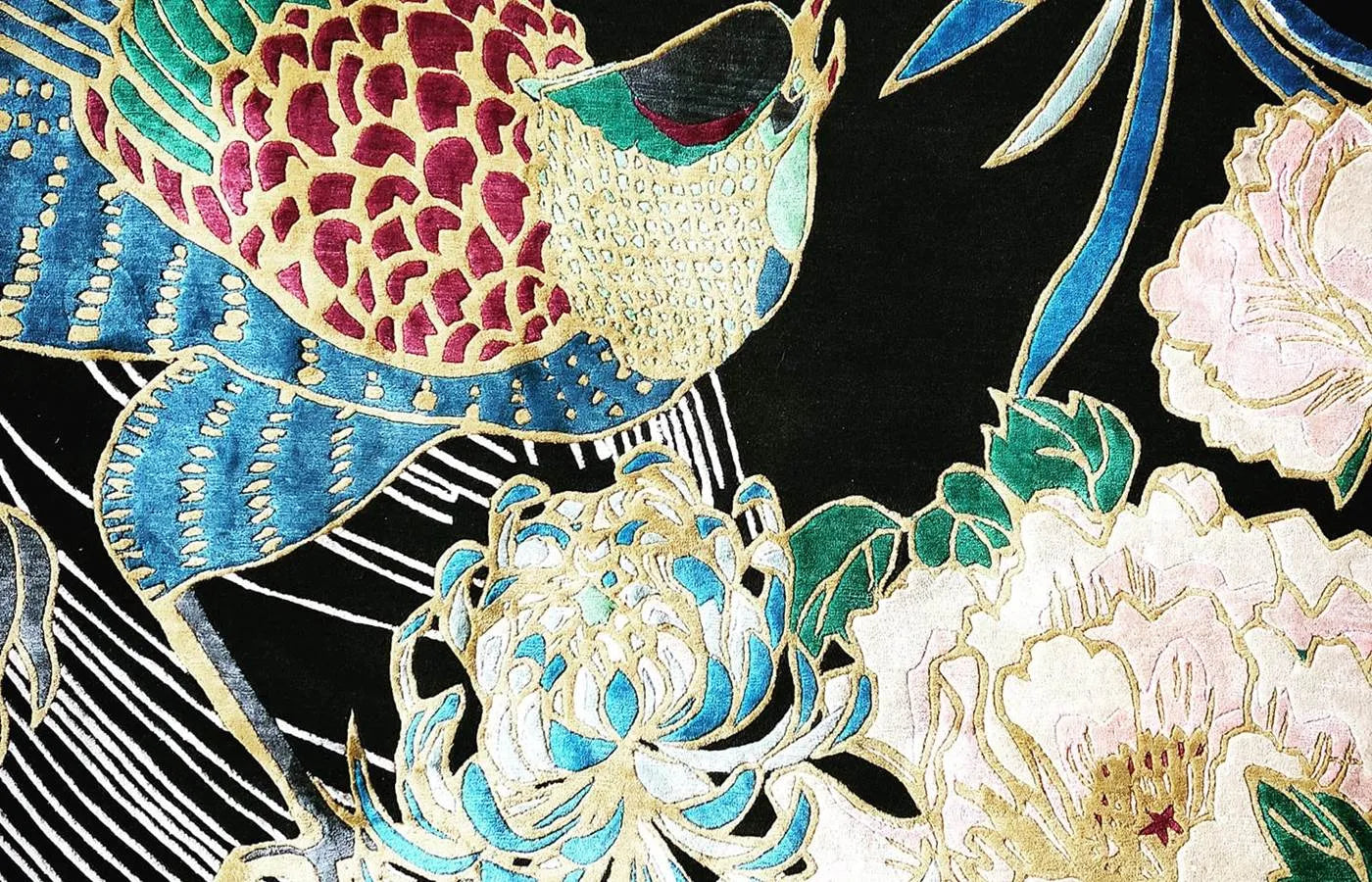

Every color carries its own frequency, subtly communicating to our subconscious and influencing how we feel in a space. When we choose a rug, we’re not just selecting a ‘color we like.’ We’re inviting a specific energetic presence into our home, one that will be in conversation with our mood, behavior, and even our decisions.
In Feng Shui, one way we consider color is through the lens of the five elements: Water, Wood, Fire, Earth, and Metal. Each element has its own palette, and each palette has its own psychological signature. And here’s what makes this empowering: you can work with color intentionally – using it to feel how you want to feel, to cultivate the energy you crave, or to create a shift you’re seeking.
So rather than color-coding your home according to trends and “year of” decisions, consider this: what if your rug became a tool for transformation? What if the colors underfoot could help you think more clearly, feel more confident, or invite more joy into your days?
Let’s explore…

Meet the Water Element
Water knows how to flow around obstacles. It’s adaptable and intuitive. The colors of Water include black and midnight blue as well as any color that looks black until you put it in the light. Think: aubergine purple, deep evergreen, charcoal grey, and dark roast brown. This color palette carries a quality of depth and fluidity.
Water hues absorb excess energy in a room, creating a sense of calm sophistication. Black, in particular, evokes mystery and power, while also signaling to our minds that it’s time to settle, reflect, and make clear decisions. Dark blues bring a generative quality, encouraging persistence and truth-telling, while deep purple stirs our intuition and emotional intelligence.
In a home, Water colors work beautifully in spaces for contemplation and focus – a home office, a reading nook, or even a bedroom where you want to invite deeper rest. Too much can feel heavy or somber, but when balanced with lighter tones, these hues create a sense of quiet authority.


Simple Shui tip: Dark colors absorb energy and light, which can make a space feel either sophisticated and cocooning or heavy and subdued. Balance is key. Pair Water’s depths with lighter elements to prevent your room from feeling too introspective.
Meet the Wood Element
Wood is the energy of spring. It is fresh, flexible, and full of potential. It encourages us to branch out, pursue new ideas, and stay open to possibility. The color of Wood – any vibrant green or brighter blue – is nature’s reminder that growth and renewal is always available to us.

Green is synonymous with life itself. It signals health, prosperity, and new beginnings to our subconscious. Psychologically, green creates harmony, soothing overstimulated nervous systems and inviting us to exhale. Brighter greens – like apple or lime – bring cheerfulness and energy, while sage and khaki tones feel more neutral and restorative. Blue is the color of clear skies, helping us feel both fresh and centered.
These hues are ideal for spaces where you want to encourage wellness, invite creativity or entice new opportunities. A splash of green in an entryway welcomes growth into your home, while blue in a bedroom or bathroom supports rest and renewal.


Simple Shui approved: A botanical rug with lush greens and soft blues brings the outdoors in, perfect for a sunroom or a space that feels too rigid or static. For a more modern approach, try a geometric design in teal or emerald – the structure of the pattern will create a dynamic but grounded feel.
Meet the Fire Element
Fire transforms. It sparks courage and the kind of radiant confidence that turns heads. The colors of Fire – bold reds, energizing oranges, playful pinks, and any ‘hot’ color – are pure vitality.
Red is the color of blood and life force. It triggers our appetite (which is why restaurants love it) and commands attention. Psychologically, red stirs passion and power, but it’s also linked to aggression and impatience, so it requires a discerning touch. Orange suggests adventure and stimulates lively conversation. It’s less intense than red but still brimming with energy. Pink invites playfulness, contentment, and even romance. And bright yellow – Fire’s sunnier expression – radiates optimism and creativity, making us feel like the center of attention in the best possible way.


Fire colors work beautifully in spaces where you want to energize or inspire – a dining room where conversation flows, a creative studio, or an entryway that needs a jolt of welcome. However, too much Fire can feel overstimulating, so consider using these hues as punctuation in your room.
Simple Shui idea: A rug with coral, terracotta, or warm pink tones can transform a neutral room, adding warmth without overwhelming. Look for designs that blend Fire colors with softer neutrals – the energy remains vibrant, but the overall effect is inviting rather than intense.
Meet the Earth Element
Earth is the element that holds us. It’s grounding, nurturing, and reassuring, like a steady foundation beneath everything we build. The colors of Earth – warm browns, golden yellows, beige, taupe, and any muted or ‘matte-looking’ hues – create a sense of security and belonging.
Brown evokes the natural world and communicates strength, reliability, and dependability. Psychologically, it helps us feel safe and settled, though too much can make a space feel heavy or uninspired. Yellow is Earth’s bright spot, sparking creativity and nurturing our energy, which makes it ideal for kitchens, children’s rooms, or any space where you want to feel both comforted and inspired. Neutrals – from sand to stone – provide the perfect backdrop, allowing other elements to shine while maintaining a sense of calm cohesion.


Earth colors are perfect for spaces where you crave stability, mindfulness, or a slower pace. They work beautifully in living rooms, bedrooms, or anywhere you want to feel rooted and present.
Simple Shui tip: A rug in warm ochre or golden yellow can brighten a room without overstimulating it, especially when paired with natural wood furniture and greenery. For a more grounded effect, try a design in layered neutrals (think: camel, cream, and soft taupe) which creates depth and texture while maintaining an earthy calm.
Meet the Metal Element
Metal is the element of refinement and clear thinking. It encourages us to organize, communicate, and clarify with precision. The colors of Metal – crisp whites, silvery greys, soft pastels, and any metallics – bring a sense of order, reduce procrastination, and stir up our creative genius!
White reflects light, making rooms feel brighter, larger, and more open. Psychologically, it evokes cleanliness, purity, and possibility. It is the epitome of a blank canvas. However, too much white can feel sterile or bland, so it works best as a foundation that allows other colors to shine. Metallics – silver, gold, bronze – add sophistication and dignity, signaling both responsibility and creativity. Soft pastels carry Metal’s clarity while adding a gentle, approachable quality that feels both inspiring.


Metal colors work well in spaces where you need mental clarity or creative energy – a home office, an artist’s studio, or a meditation corner. They’re also pitch-perfect for creating a sense of expansiveness in smaller rooms.
Simple Shui tip: A rug in soft grey with metallic accents can anchor a modern space while maintaining an airy feel. For a more colorful approach, try pale blush, mint, or lavender. Any pastel brings Metal’s clarity with a dash of warmth, perfect for bedrooms or creative spaces. White or cream rugs work beautifully as a neutral base, though they require thoughtful placement (and a willingness to maintain them) since imperfections show easily.
Rugs are one of the most forgiving and powerful ways to work with color in Feng Shui. They ground a space both literally and energetically. They allow you to experiment with bold colors you might hesitate to commit to on walls. They can be layered, moved, and changed as your needs shift.
When you choose a rug, you’re not just ‘laying the foundation’ or ‘pulling the room together.’ You’re selecting a vibrational frequency for that space. You’re deciding how energy will move, how light will play, how you’ll feel when you walk across that threshold each day.
And here’s the beauty about working with color in Feng Shui: balance happens naturally when all five elements are present in a space.

Look around your room right now? Do you see all five elemental palettes represented? If Water’s deep tones are missing, the space might feel restless. Without Fire’s warmth, it could feel flat or uninspired. When Earth colors are absent, the room may lack grounding. One rug can be the piece that brings everything into harmony. It doesn’t have to contain all five elements itself, but it can supply what’s missing, completing the color story and creating that unmistakable sense of ‘just right’ in a room.
So instead of asking “what color is this room supposed to be?”, ask yourself: “What do I need this space to give me?” The answer will lead you directly to the color – and the rug – that will support you best. Because color is never just decoration; its energy made visible. And when wielded with intention, it becomes one of the most powerful tools you have for creating a home that truly supports how you want to live. Color is a conversation, and when you choose a rug with awareness of what each hue contributes energetically and emotionally, you’re not just decorating – you’re intentionally and energetically designing how you want to feel, think, and move through your life at home!

Amanda Gibby Peters
Amanda Gibby Peters is the founder of Simple Shui and creator of House Therapy, a modern approach to Feng Shui that bridges design, intention, and everyday ritual. She is the author of Simple Shui for Every Day and host of the popular podcast House Therapy, where she explores how our homes shape our energy, habits, and wellbeing. Through her signature course, The Simple Shui Course, Amanda has taught thousands of students how to see their spaces – and themselves – through the eyes of a Feng Shui expert.